The Ultimate Back to School Checklist for a Smooth Start

As summer winds down, the countdown to the school gates begins. Whether your child is returning to the classroom or starting school for the very first time, it’s natural to feel a mix of excitement, nerves and let’s be honest, a little bit of stress. There’s a lot to remember, from uniforms to lunchboxes, and everything in between.

That’s why we’ve created this ultimate back to school checklist. It’s packed with practical tips, must-have items, and a printable list to make the transition smooth and stress-free for you and your child.

Why a Back to School Checklist Matters

Starting the school year with a plan makes all the difference. A back to school checklist keeps things organised, ensures you don’t forget the essentials, and helps your child feel calm and confident on day one.

Whether you’re shopping for new supplies, preparing emotionally for those first-day nerves, or juggling multiple school start dates, having a reliable list makes everything more manageable, especially during those busy last weeks of summer.

Back to School List: What Every Child Needs

Let’s break down the back to school list into easy sections so nothing gets missed. This works for both returning students and little ones starting school for the first time.

Clothing and Uniform

  • School uniform (shirts, trousers/skirts, dresses, jumpers)
  • School shoes (plus indoor shoes or wellies if needed)
  • PE kit (shorts, T-shirt, trainers)
  • Socks, underwear, spare tights
  • Waterproof coat and hat (sun or rain, be ready)
  • Name labels for every item

Stationery and Supplies

  • Backpack or book bag
  • Pencil case
  • Pencils, pens, ruler, rubber, sharpener
  • Notebooks or folders (as required by school)
  • Water bottle
  • Lunchbox (plus ice pack for warmer days)

Health and Hygiene

  • Tissues or wet wipes
  • Hand sanitiser (if permitted)
  • Hairbrush, hairbands or clips
  • Any prescribed medication (plus any forms required for the school admin)
  • Sun cream (especially for early autumn starts)

Useful Extras

  • School diary or planner
  • Reading book or homework folder
  • Spare clothes in a labelled bag (for younger children)
  • A small comfort item (if allowed)

Starting School Checklist: Reception & Early Years

Starting school is a big milestone for children and parents. This starting school checklist is designed to help younger children prepare for their first big day.

  • Try on the uniform at home, practise getting dressed independently
  • Encourage your child to put on and take off their own shoes
  • Make sure they can open their lunchbox, snack pot, and water bottle
  • Visit the school beforehand if possible, even just seeing the playground helps
  • Practice toileting independently and wiping properly
  • Talking positively about school, books, stories and photos can help build excitement
  • Get back into the school routine a week early (bedtime, wake-up, breakfast)

Top Tips for a Stress-Free Back to School Transition

  1. Ease into the routine: Start moving bedtime and wake-up times earlier the week before school starts.
  2. Set up a drop zone: Create a space near the door for bags, shoes, and water bottles.
  3. Plan lunches ahead: A weekly meal plan helps avoid last-minute panic.
  4. Use a family calendar: Mark PE days, after-school clubs and school events.
  5. Stay flexible: The first week can be tiring for everyone. Keep afternoons calm and predictable.

Download Your Free Back to School Checklist

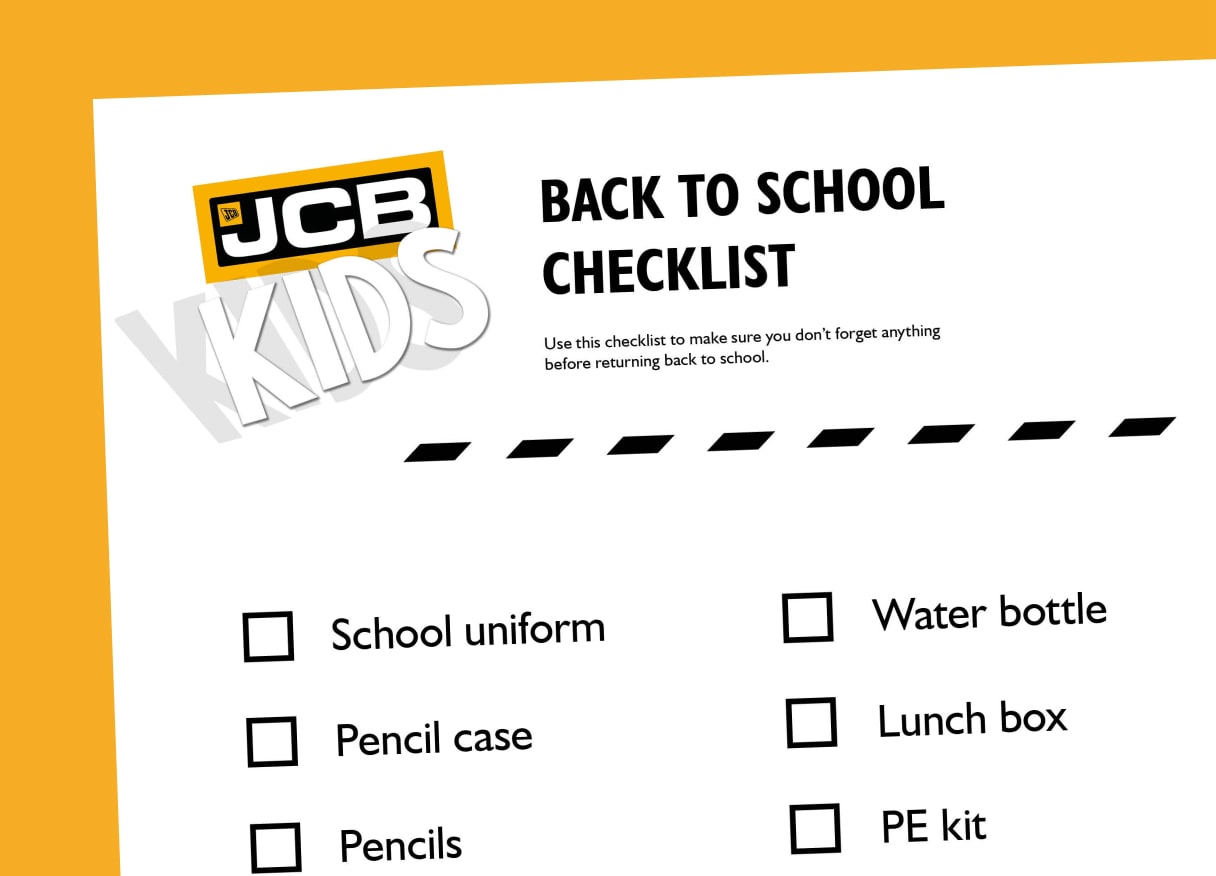
To make life even easier, we’ve created a child-friendly version of this back to school checklist. Let them prepare the things that matter to them and get them involved before school starts.

Download back to school checklist.

Final Thoughts: Ready, Set, School!

Sending your child back to school, or starting for the first time, is a big deal. But with a little preparation (and a trusty checklist), you can head into the new term feeling ready and relaxed.

Every family does things a little differently, so make this list your own. What matters most is helping your child feel confident, supported and excited for the new adventures ahead.
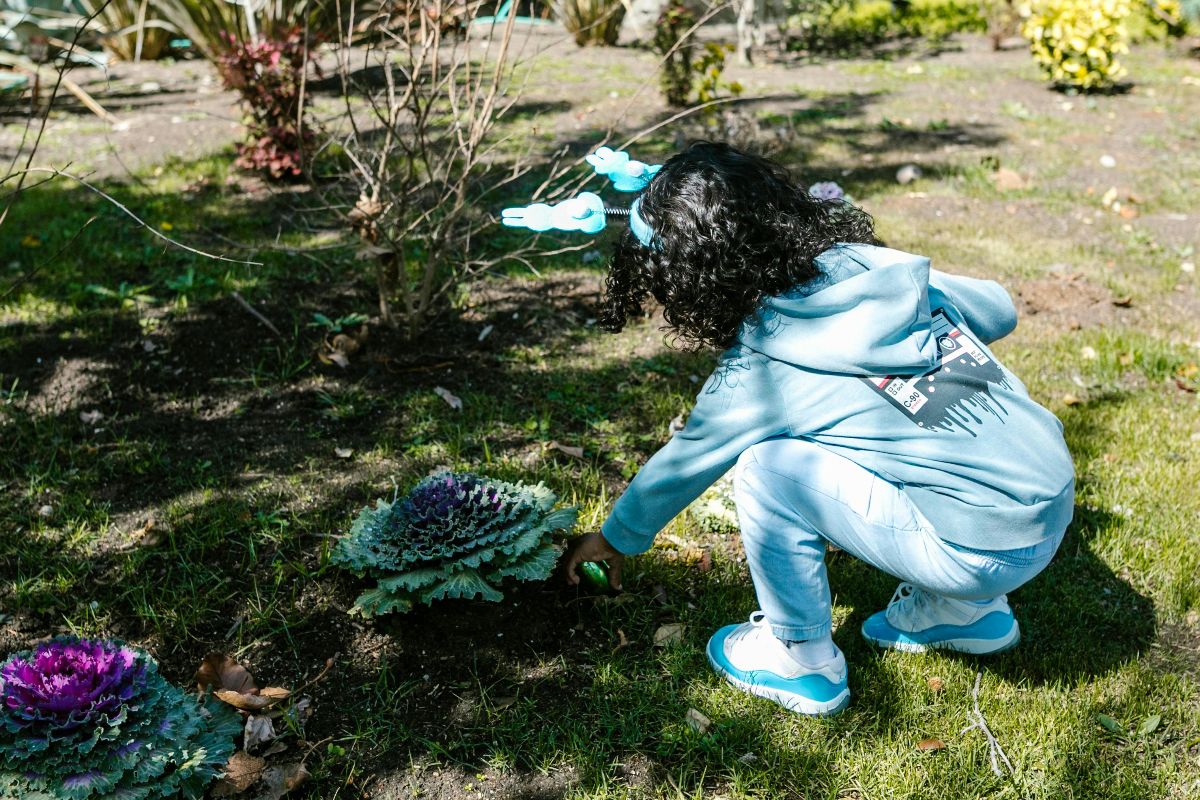
Sensory Play Ideas to Help Children Develop and Learn

Sensory play helps children develop and learn by exploring the world with their hands and senses. They’re wired to learn through their senses, and that’s exactly what sensory play is all about. 

Whether it’s squishing mud between their fingers or listening to the rustle of leaves, these experiences do more than entertain; they help shape growing minds. 

So, how can we help our children develop with sensory play?

What Is Sensory Play?

Sensory play simply refers to any activity that stimulates your child’s senses: sight, sound, touch, taste, and smell. It can also involve movement, balance, and spatial awareness. From squelching jelly to watching bubbles float through the air, sensory experiences are how babies, toddlers and preschoolers make sense of the world.

These sensory play activities aren’t just about keeping kids busy. They support a whole range of developmental skills:

  • Fine motor control (e.g. scooping, pouring, pinching)
  • Language development (describing textures, colours, and actions)
  • Problem-solving and reasoning
  • Emotional regulation (especially calming sensory inputs)
  • Creativity and imagination

And best of all? They’re loads of fun, and easy to set up with everyday materials.

Why Sensory Activities Matter for Development

As young children grow, their brains make countless new connections. Sensory activities help build and strengthen these connections by encouraging children to explore, experiment and discover.

Whether tasting edible creations or listening to rain hit a window, these moments help children understand cause and effect, build vocabulary, and learn to focus their attention.

Regular sensory play also supports emotional well-being. Many calming activities (like playing with rice or watching glitter swirl in a bottle) can help children settle after a busy day or manage big feelings like frustration or anxiety.

Sensory Play Ideas for Everyday Fun

You don’t need expensive toys or fancy setups. These tried-and-tested sensory play ideas use simple materials and are easy to tailor to different ages and interests.

Messy Play (Touch & Texture)

These activities let children get hands-on with different textures, a favourite for toddlers and preschoolers.

  • Shaving foam fun: Spray onto a tray and let kids swirl, stamp and explore. Add a few drops of food colouring for extra interest.
  • Jelly digging: Hide small toys in a bowl of jelly and let little hands dig them out.
  • Mud kitchen: Set up pots, pans and spoons in the garden and let kids cook up muddy meals.

Calm Play (Sight & Sound)

These are great for quieter moments and help develop visual tracking and listening skills.

  • Sensory bottles: Fill plastic bottles with water, glitter, beads or buttons. Shake and watch them settle.
  • Sound walks: Take a walk and see how many sounds your child can identify: birds, traffic, rustling leaves.
  • Coloured lights: Use torches and coloured filters (or cellophane) to explore light and shadows indoors.

Taste-Safe Sensory Activities (Perfect for Toddlers)

For little ones who like to explore with their mouths, keep it edible!

  • Cereal bins: Fill a tub with Cheerios or cornflakes and add cups, spoons and scoops.
  • Cooked spaghetti: Add food colouring and let kids squish and sort the noodles.

Outdoor Sensory Play

Nature is the best sensory playground, no setup required!

  • Barefoot walk: Let your child walk on different textures such as grass, bark, pebbles, and sand.
  • Water wall: Use recycled bottles, funnels and tubing to create a DIY water play station.
  • Nature scavenger hunt: Collect items by texture or colour. Find a smooth stone, a bumpy leaf or something soft. 

DIY Sensory Bins

Sensory bins are endlessly customisable and great for independent play.

  • Dry rice or pasta: Add scoops, diggers or hidden objects.
  • Themed bins: Create a beach scene, a mini garden, or even a dinosaur world using toys and textured fillers.
  • Ice play: Freeze small toys in ice cubes and provide warm water or tools to melt and rescue them.

Tips for Sensory Play at Home

Here are a few tips to help you make the most of sensory play:

  • Contain the mess: Use trays, bins or shallow boxes to keep everything in one place.
  • Dress for mess: Old clothes or aprons work best, especially for messy activities.
  • Be present, not perfect: Follow your child’s lead and let curiosity guide the play.
  • Start small: You don’t need to do a big setup; even a bowl of water with a sponge can be fascinating to a toddler.

Adapting Sensory Play for Different Ages and Needs

One of the best things about sensory play activities is how easily they can be adapted:

  • For babies: Stick to high-contrast visuals, soft textures, and safe sounds.
  • For toddlers: Use taste-safe materials and activities that encourage grasping, stacking and pouring.
  • For preschoolers: Add more imagination and storytelling, e.g. pretend cooking, sensory-themed small worlds.
  • For children with sensory sensitivities: Go slowly, observe their responses, and choose textures and sounds they enjoy. Sensory play should be calming, not overwhelming.

Let Learning Happen Through Sensory Play Ideas

Sensory play isn’t just a way to pass the time; it’s a chance for children to learn, explore and grow through hands-on experiences. From messy fun to calming activities, there’s something to suit every child and every kind of day.

So grab a tray, gather some simple materials, and watch as your child’s imagination takes off.

Explore the Outdoors with a Summer Scavenger Hunt

There’s something magical about summer, the long days, the sunshine, and the chance to get outdoors as a family. If you’re looking for a fun, screen-free way to keep your little ones entertained, a summer scavenger hunt might just be the perfect solution. It’s simple, exciting, and packed with opportunities for learning and laughter.

Here are some easy scavenger hunt ideas, tips for planning a stress-free adventure, and even a downloadable nature scavenger hunt for kids to get you started.

Why a Summer Scavenger Hunt Is Perfect for Kids

A summer scavenger hunt is more than just a way to pass the time; it’s a brilliant way to spark curiosity and creativity in children of all ages. Here’s why parents love them:

  • Encourages exploration: Kids become mini adventurers, searching high and low for everyday treasures.
  • Builds sensory skills: They’ll touch, see, smell, and hear the world around them in new ways.
  • Supports learning: Scavenger hunts can reinforce colours, shapes, numbers, and nature facts, without feeling like school.
  • Great for all ages: Whether your child is a curious toddler or a nature-loving 8-year-old, you can adapt the challenge to suit them.

And best of all? It’s completely free and gets the whole family moving outdoors.

What You’ll Need For a Scavenger Hunt

You don’t need much to make your scavenger hunt a success. Here’s what we recommend packing:

  • A clipboard or notebook for your checklist
  • A pencil or crayon for ticking items off
  • A small bag or basket for collecting (optional)
  • A phone or camera if you’re doing a photo challenge
  • Sun protection, hats, and a water bottle (summer safety first!)

A scavenger hunt can be as thorough as you want to make it. While these are just recommendations to get you started, you can enjoy a scavenger hunt with the whole family with just some imagination.

Scavenger Hunt Ideas for Every Setting

Not sure where to go or what to include? Here are fun and flexible scavenger hunt ideas based on different locations, so you’re never short of inspiration, whether you’re heading to the garden, a park, or the beach.

Back Garden Adventure

Turn your own outdoor space into a world of discovery.

  • A leaf bigger than your hand
  • A feather on the ground
  • A smooth pebble
  • Something that smells nice
  • A crawling insect

Woodland or Park Trail

Perfect for nature walks and family strolls.

  • A tree with rough bark
  • A pine cone
  • A flower that isn’t yellow
  • An animal footprint or birdcall
  • A stick shaped like a letter

Beach or Seaside Search

Add a bit of coastal magic to your day out.

  • A spiral shell
  • Seaweed
  • A footprint in the sand
  • A smooth stone
  • Something round and shiny

Urban or Street Safari

Even city strolls can be full of adventure!

  • A red postbox
  • A number 5 on a door
  • A bird on a wire
  • A crack in the pavement
  • A flower growing in an unusual spot

Mix and match items to suit the day or even create a themed hunt with colours, shapes, alphabet, or sounds!

Tips for a Fun, Stress-Free Experience

Let’s face it, anything with small kids needs a bit of planning. These tips will help make your summer scavenger hunt enjoyable for everyone:

  • Let kids lead: The magic happens when they feel in charge.
  • Keep it flexible: Don’t worry if you don’t tick everything off, it’s about the journey, not the list.
  • Make it visual: For younger kids, use pictures instead of words.
  • Avoid pressure: This isn’t a race, it’s an excuse to explore.
  • Celebrate the little wins: Found a flower? Amazing. Heard a woodpecker? Even better.

For extra fun, add mini prizes or a picnic at the end.

Create Your Own Nature Scavenger Hunt for Kids

You don’t have to stick to a pre-made list. Why not create your own nature scavenger hunt for kids based on your local area?

Here’s how:

  1. Pick a theme – colours, bugs, trees, textures
  2. Choose your setting – garden, woods, coast, or town
  3. Make it age-appropriate – simple visuals for toddlers, riddles for older kids
  4. Get the kids involved – let them help make the list or draw what they find

Creating your own list makes the experience more personal and adds to the excitement.

Make Summer Magical with a JCB Scavenger Hunt

A summer scavenger hunt is more than just a list of things to find; it’s a chance to slow down, tune into nature, and make memories as a family. Whether you’re exploring your back garden or heading to the beach, the thrill of discovering something new never gets old.

So grab your checklist, round up the kids, and head outside for your next scavenger hunt adventure.

JCB logo
Privacy Overview

This website uses cookies so that we can provide you with the best user experience possible. Cookie information is stored in your browser and performs functions such as recognising you when you return to our website and helping our team to understand which sections of the website you find most interesting and useful.

Close popup