

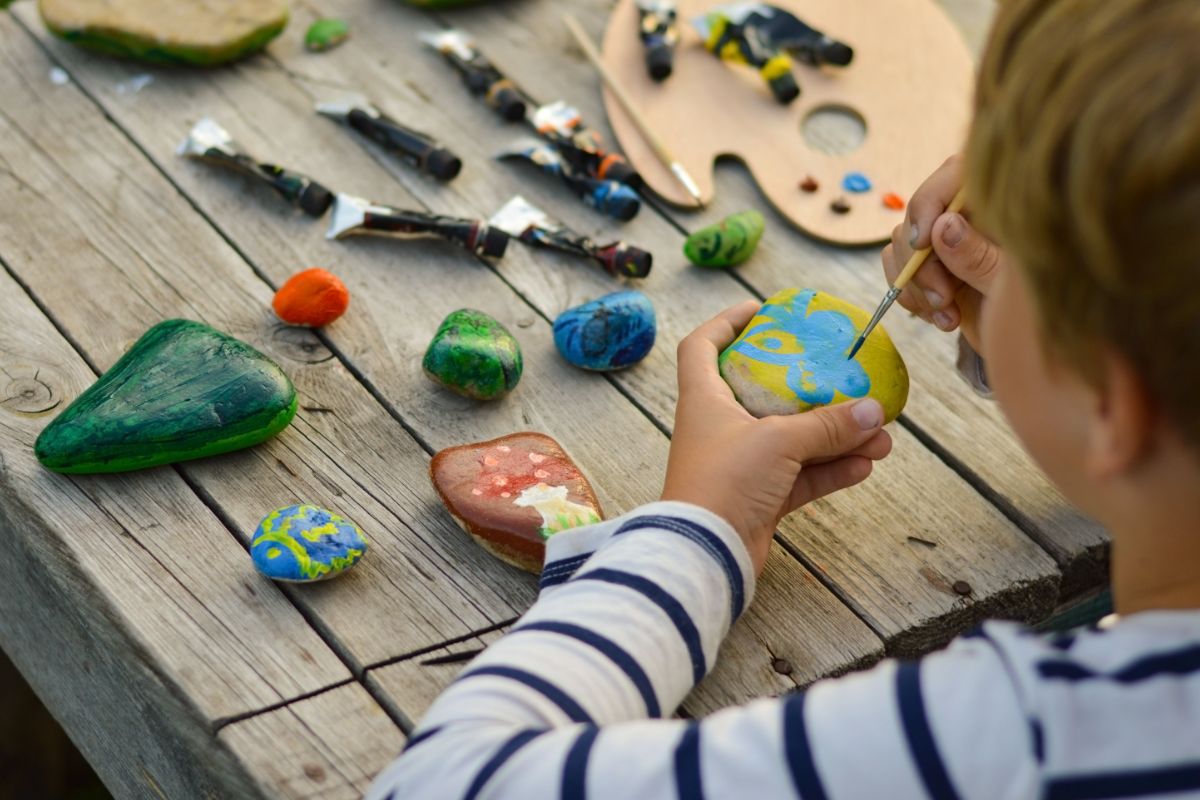
Rock Painting Ideas for Kids

If you’re looking for a fun, affordable, and creative activity that keeps kids engaged and away from screens, rock painting ticks all the boxes. Whether you’re crafting indoors on a rainy afternoon or getting messy in the garden on a sunny day, rock painting is an ideal project for children aged 4–11.

From smiley faces and animal designs to story stones and seasonal themes, there are endless rock painting ideas for kids that spark imagination, improve motor skills, and provide hours of entertainment. 

Getting Started with Rock Painting

Before the paint comes out, you’ll want to gather your materials and prep your rocks.

What You’ll Need:

  • Smooth, flat stones (garden centres, beaches, or parks – ethically collected)
  • Acrylic paints or paint pens (non-toxic and child-safe)
  • Paintbrushes in various sizes
  • Water for cleaning brushes
  • An old newspaper or a wipeable surface
  • Optional: clear sealant to protect your designs

Rock Preparation Tips:

  • Wash rocks with warm, soapy water and allow them to dry completely
  • You can apply a white primer coat to make colours pop
  • For younger children, set up a mess-proof area to help with cleanup

Now you’re ready to get creative.

Simple Rock Painting Ideas for Younger Kids (Ages 4-6)

For little ones just starting out, keep things bright, bold, and easy to paint. These simple rock painting ideas are perfect for tiny hands and growing imaginations:

  • Smiley Faces: Paint yellow circles with cheerful expressions
  • Ladybirds and Bees: Add spots and stripes to small, rounded stones
  • Polka Dots and Rainbow Stripes: Great for practising brush control
  • Paw Prints: Use finger painting techniques to stamp little paws

Encourage them to use their favourite colours and let their personalities shine through each design.

Fun and Creative Rock Art for Older Children (Ages 7–11)

Older children can take on more detailed designs and even turn their painted stones into storytelling tools. Here are some creative challenges to try:

  • Cartoon Characters: Think of their favourite shows, books, or films
  • Mini Landscapes: Sunsets, starry skies, or seaside scenes
  • Mythical Creatures: Dragons, unicorns, fairies, or sea monsters
  • Animal Portraits: Cats, dogs, owls, or jungle animals

You could even create a whole collection of themed rocks—perfect for display or giving as gifts.

Themed Rock Painting Projects

Adding a theme can make rock painting even more engaging, especially for group settings or seasonal crafts.

Ideas to Explore:

  • Seasonal Sets:
    • Spring flowers, summer suns, autumn leaves, winter snowflakes
  • Holiday Rocks:
    • Halloween pumpkins and ghosts, Christmas trees and snowmen, Easter eggs
  • Educational Sets:
    • Alphabet rocks to practise phonics
    • Numbers for counting games
    • Emotion faces to talk about feelings

Themed rocks work well in schools and nurseries, especially when tied to a topic or learning outcome.

Rock Painting Games and Activities

Once your rocks are painted, the fun doesn’t stop there. Here are a few ways to turn your artwork into a game or group activity:

  • Rock Hunts: Hide painted stones around your garden or local park for a treasure hunt
  • Story Stones: Paint characters, settings, and objects—then use them to inspire made-up stories
  • Rock Garden Trails: Lay out decorated rocks along a garden path or flower bed
  • Swap and Share: Exchange rocks with friends, family, or classmates as handmade gifts

These activities help children see the value of their creations and encourage imaginative play.

Displaying and Sealing Painted Rocks

If you’d like your rocks to last, especially outdoors, consider sealing them with a child-safe clear acrylic spray or varnish. This protects the paint from fading or washing away.

Display Ideas:

  • Line them up in window boxes or on shelves
  • Place them around houseplants or flower pots
  • Create a rainbow rock path or a “kindness rock” collection with positive messages

Encouraging kids to showcase their work gives them a sense of pride and might just inspire their next batch of designs.

Get Creative with JCB Explore

Whether you’re painting bugs, creating characters, or telling stories through stones, rock painting is one of the most versatile and enjoyable kids’ craft activities around. It’s budget-friendly, accessible, and encourages creativity in all forms.

With a bit of paint and a handful of pebbles, you can transform an ordinary afternoon into something colourful, calming, and full of imaginative fun. So gather your supplies and let the rock art begin!

Looking for more kids’ craft ideas or printable templates? Stay tuned to our blog for seasonal projects, family-friendly activities, and art inspiration all year round.
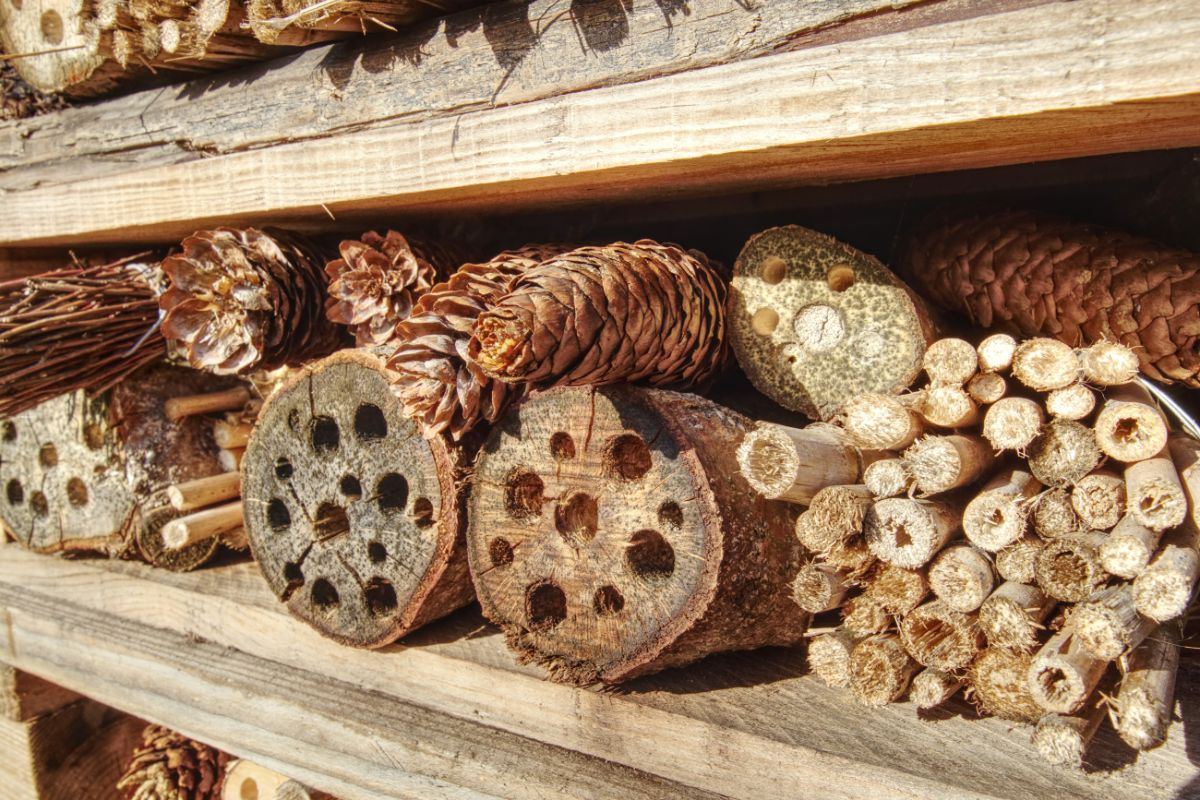
How to Make a Bug Hotel and Invite Fantastic Creatures into Your Garden

Insect life is vital to a thriving garden ecosystem. From pollination to pest control, bugs play a crucial role in keeping your outdoor space healthy and full of life. 

One simple, eco-friendly way to support garden biodiversity is by building your own bug hotel. Not only is it a rewarding activity for nature lovers, but it’s also a fantastic project for children.

What Is a Bug Hotel?

A bug hotel, also known as an insect hotel or bug house, is a manmade structure that provides shelter and nesting space for a variety of beneficial insects. These habitats are made from natural or recycled materials and attract creatures such as:

  • Solitary bees (important pollinators)
  • Ladybirds and lacewings (natural pest controllers)
  • Woodlice and beetles (decomposers that enrich soil)
  • Spiders and other garden helpers

Bug hotels not only support biodiversity but also encourage healthy plant growth and reduce the need for chemical pest control.

Where to Build Your Bug Hotel

Choosing the right spot can make all the difference. Here are some tips:

  • Sunny and sheltered: Most insects prefer warmth and protection from wind and rain.
  • Near plants: Placing your hotel close to flowers, shrubs, or vegetable patches helps attract pollinators.
  • Away from disturbance: Try to avoid placing it near paths or frequently used areas.

For maximum success, different bugs need different conditions—bees love the sun, while beetles and woodlice prefer cool, damp spots.

Materials You’ll Need

You can build a bug hotel from everyday items and natural materials. Here’s a list to get you started:

  • Wooden pallets or boxes (for structure)
  • Hollow stems and bamboo canes (ideal for solitary bees)
  • Pinecones, straw, dry leaves, and twigs (shelter and insulation)
  • Bricks with holes or clay pots (good for beetles and spiders)
  • Bark, wood chips, and cardboard
  • String, nails, or glue (for securing materials)

When gathering materials, choose untreated wood and avoid anything toxic. The more variety, the more insects you’ll attract.

How to Make a Bug Hotel: Step-by-Step

Ready to get started? Follow these simple steps to build your own garden insect haven:

  1. Create the Frame
    Use wooden pallets, a crate, or stackable boxes to make a solid base. The hotel can be as tall or wide as you like.
  2. Divide Into Sections
    Partition the space into smaller chambers using wood slats or dividers. Each section will house different materials.
  3. Add Natural Fillings
    Fill each compartment with a mix of bug-friendly materials like bamboo, bark, straw, pinecones, and bricks.
  4. Secure the Structure
    Use string or nails to keep materials in place. Ensure the hotel is sturdy and won’t collapse in bad weather.
  5. Place in the Garden
    Position the bug hotel in your chosen spot. Make sure it’s stable and slightly raised off the ground to avoid damp.
  6. Add Some Decorations
    Add things like mini toy diggers or models to make it look like there is a miniature community working on your bug hotel outside.

Bug Hotel Ideas for All Ages

Looking for inspiration? These creative bug hotel ideas offer something for everyone:

  • Rustic pallet stack: Great for large gardens, stack multiple pallets filled with materials.
  • Hanging bottle bug hotel: Cut plastic bottles in half, fill them with twigs and canes, and hang from trees or fences.
  • Bee brick wall: Use bricks with holes or drill into wood blocks to create a bee nesting wall.
  • Children’s homemade bug hotel: Use a shoebox or small crate and let kids fill it with twigs, dry grass, and cones. Encourage them to decorate it with natural paints or leaves.

Bug hotels can be as simple or artistic as you like; there’s no one-size-fits-all.

Which Insects Will You Attract?

Here’s a quick look at the “fantastic creatures” you’re likely to meet:

  • Solitary Bees – Gentle and vital pollinators that nest in hollow stems or drilled wood.
  • Ladybirds – Feed on aphids and help protect plants.
  • Lacewings – Green, delicate insects that prey on soft-bodied pests.
  • Beetles & Woodlice – Break down dead matter and enrich the soil.
  • Spiders – Natural pest control experts.

By providing shelter, you’re helping protect threatened species and encouraging a balanced ecosystem.

Caring for Your Bug Hotel

Once built, your bug hotel requires very little maintenance, but here are a few helpful tips:

  • Keep it dry: Tilt the roof or add a waterproof layer to stop materials from becoming waterlogged.
  • Replace decayed materials: Over time, some fillings will need refreshing to remain effective.
  • Observe and learn: Gently watch your bug hotel over the seasons. You’ll learn what insects are most active and which materials they prefer.

In winter, many insects use bug hotels to hibernate, so avoid moving or disturbing it during colder months.

A Fun and Educational Project

Building a bug hotel is a brilliant way to connect with nature for families. A children’s homemade bug hotel not only encourages outdoor play and creativity but also teaches children about wildlife and sustainability. It’s an ideal school project or weekend garden activity.

Get Creative with JCB Explore

Bug hotels are more than just a garden feature, they’re a way to invite nature into your space, support struggling insect populations, and make your garden thrive. Whether you’re a seasoned gardener or trying your first eco project with the kids, knowing how to make a bug hotel is a rewarding, accessible way to give back to nature.

Start collecting your materials today and create a haven for some of the garden’s most fantastic creatures.

JCB logo
Privacy Overview

This website uses cookies so that we can provide you with the best user experience possible. Cookie information is stored in your browser and performs functions such as recognising you when you return to our website and helping our team to understand which sections of the website you find most interesting and useful.

Close popup