

Toy Tractors And STEM Learning: How Playing With Toy Tractors Promotes Science, Technology, Engineering And Maths Skills

Toy tractors have been a staple of childhood play for generations. With their colourful designs and sturdy construction, these miniature machines have captured the imaginations of children all over the world. But did you know that they can also promote valuable skills in science, technology, engineering, and maths (STEM)?

STEM skills are becoming increasingly important in today’s world, as industries from engineering to healthcare rely on workers with a strong foundation in these areas. By encouraging children to explore STEM concepts through play, parents and educators can help prepare them for success in a variety of fields.

Promoting Basic Engineering Skills

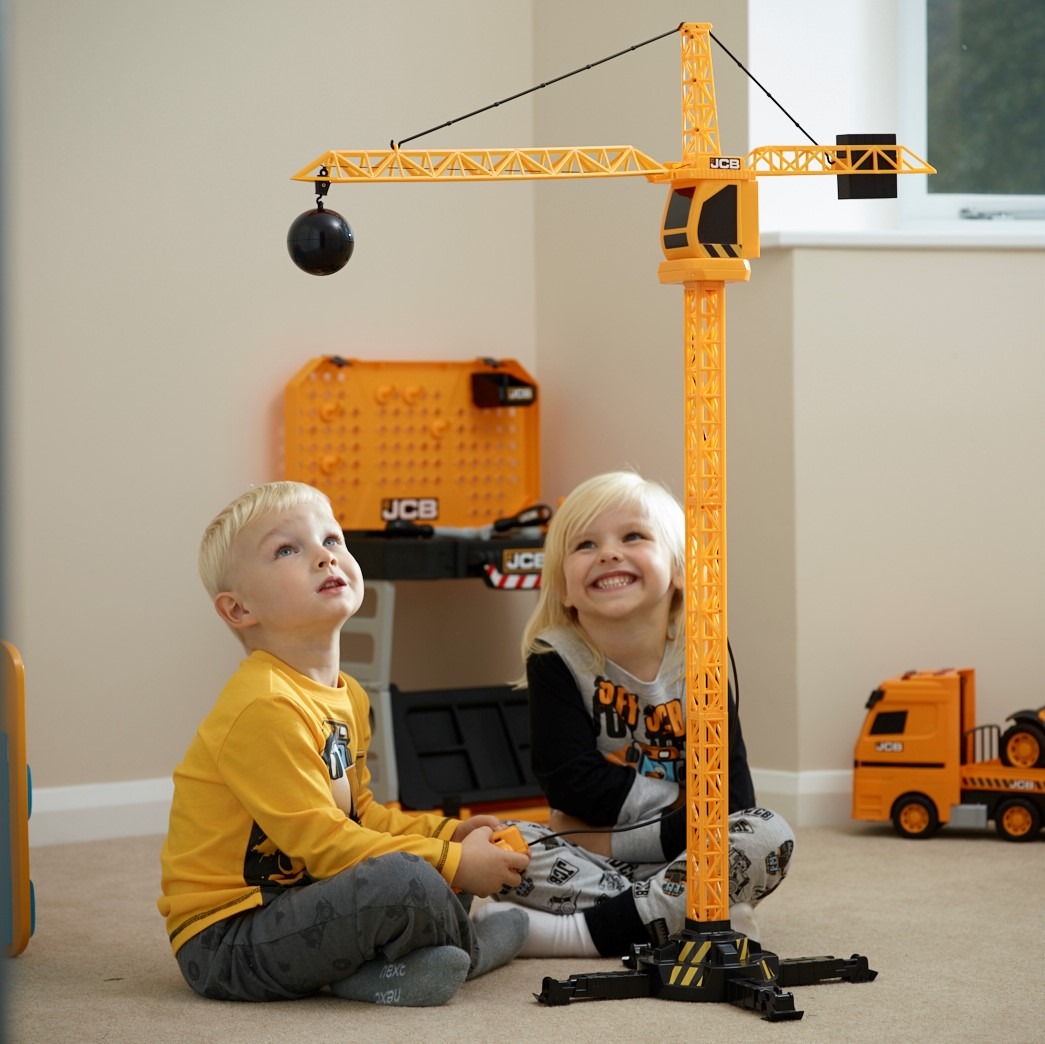
Toy tractors are an ideal tool for introducing STEM concepts to young children. For example, they can be used to teach basic engineering principles, such as how levers and pulleys work. Children can experiment with different configurations of the toy tractor to see how changing the position of the wheels or adding weights affects its performance.

Developing Spatial Awareness & Reasoning

In addition, toy tractors can help children develop their spatial reasoning skills. By building obstacle courses or designing mazes for the toy tractors to navigate, children can learn to think critically about how objects move in space and develop an intuitive understanding of spatial relationships.

When a child plays with a toy tractor and trailer, they are using their imagination to create a scenario where the tractor is moving objects from one place to another. This simple act involves a number of STEM skills, such as predicting how the trailer will move based on the weight and placement of the objects inside, and making adjustments to ensure that the trailer stays balanced.

Teaching Basic Physics Concepts

Toy tractors can also be used to teach basic physics concepts. For example, children can learn about the principles of motion by experimenting with different types of surfaces and inclines. They can also explore the concept of force by using the toy tractors to push or pull objects of varying weights.

Mastering Maths Skills

Finally, toy tractors can be a great tool for teaching basic maths skills. Children can use the tractors to count objects, measure distances, and explore basic geometry concepts such as shape and symmetry.

How To Choose The Best Toy Tractor For Your Child?

When selecting a toy tractor, look for one that has features that encourage hands-on exploration and experimentation. This could include movable parts, realistic details, and interactive elements like lights and sounds. The toy should also be sturdy, so that children can engage in active play without worrying about it breaking easily.

JCB Explore’s toy tractors are designed to be durable and sturdy, with realistic features that mimic real-life construction vehicles. This attention to detail helps children develop an understanding of how these machines work and how they’re used in the real world.

Overall, they are a fantastic option for parents and educators who are looking to promote STEM learning in young children. By providing children with a fun and engaging way to explore engineering, physics, maths, and other STEM concepts, these toys can help set them on a path towards lifelong learning and success in a rapidly changing world.
Outdoor Science Experiments for Kids

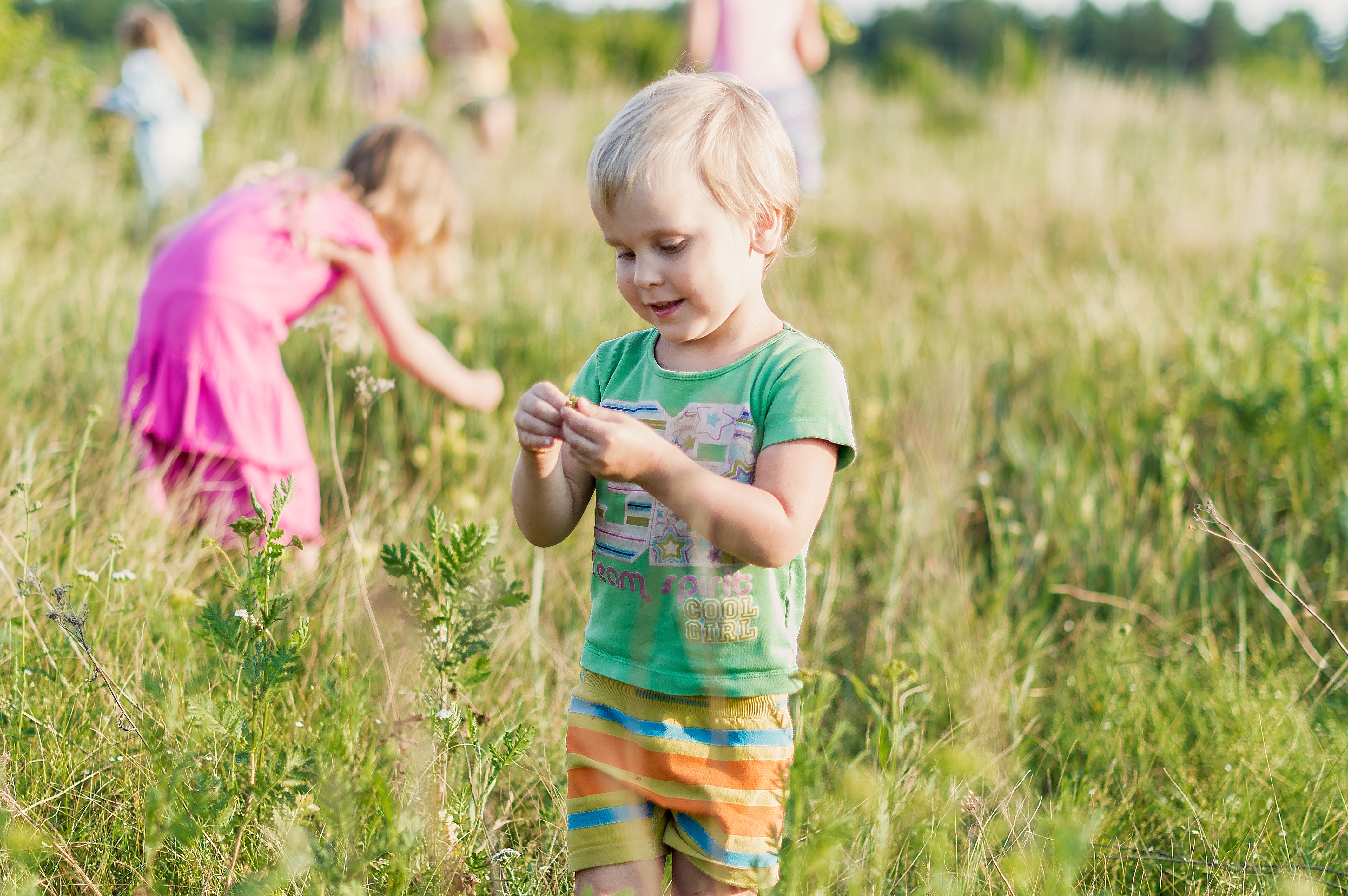
Science is all around us, and what better way to learn about it than by exploring nature? Outdoor science experiments are a great way for kids to discover the wonders of the natural world and to learn about scientific concepts in a fun and interactive way. Here are some ideas to inspire parents, teachers and caregivers to help kids explore and learn about the world around them.

Plant a Garden

Planting a garden is a great way for kids to learn about plants and their life cycles. They can learn about soil, water, sunlight and the different types of plants that grow in their region. Encourage kids to plant a variety of plants, including flowers, vegetables and herbs. They can also observe the different insects and animals that visit the garden and learn about their role in pollination and plant growth.

Investigate Rocks

Rocks can tell us a lot about the history of the Earth and the forces that have shaped it. Kids can go on a rock hunt and collect different types of rocks. They can observe the colours, shapes, and textures of the rocks and learn about the different types of rocks, such as sedimentary, metamorphic and igneous. They can also investigate how rocks are formed and the processes that cause them to change over time.

Study Insects

Insects are fascinating creatures that come in all shapes and sizes. Kids can observe and learn about the different types of insects in their area, such as ants, bees, butterflies and ladybugs. They can investigate the different body parts of insects and their functions, as well as their life cycles and behaviours. Kids can also learn about the important role that insects play in our ecosystem, such as pollination and decomposition.

Explore Water

Water is a fascinating and essential element that surrounds us, and there are many ways kids can explore its properties and role in the environment. For example, kids can investigate how water moves and interacts with other materials by creating a DIY water table or conducting experiments with floating and sinking objects. They can also learn about the water cycle and the importance of conserving water resources.

Build a Birdhouse

Building a birdhouse is a fun and creative way for kids to learn about birds and their habitats. Kids can research the different types of birds in their area and design a birdhouse that meets their needs. They can learn about the different features of a birdhouse, such as the size, shape, and materials, and how they affect the types of birds that will use it. Kids can also observe and learn about the different behaviours and habits of birds that visit their birdhouse.

These are just a few examples of the many outdoor science experiments that kids can do to explore and learn about the natural world. By engaging in these activities, kids can develop their science skills, critical thinking, and problem-solving abilities. Most importantly, they can develop a lifelong love and appreciation for science and the environment.

JCB Explore is dedicated to advocating and promoting outdoor play for kids. Recognising the importance of constructive and imaginative play, we encourage children to engage with their environment through outdoor activities. By fostering a connection with nature and emphasising the benefits of constructive play, we aim to inspire children to explore, learn, and have fun in the great outdoors.

How To Choose The Right Ride On Toy For Your Child’s Age And Abilities

Ride-on toys are a great way to provide fun and exercise for your child while encouraging their development and growth. But choosing the right ride-on toy can be a challenging task, especially with so many options available. In this blog post, we’ll explore some important factors to consider when selecting the appropriate ride-on toy for your child’s age and abilities. 

Age Appropriate Toys 

For children under 18 months old, ride-on toys are not recommended as they are not yet able to fully control their movements and balance. It is best to wait until they are older and have developed their gross motor skills before introducing them to ride on toys. 

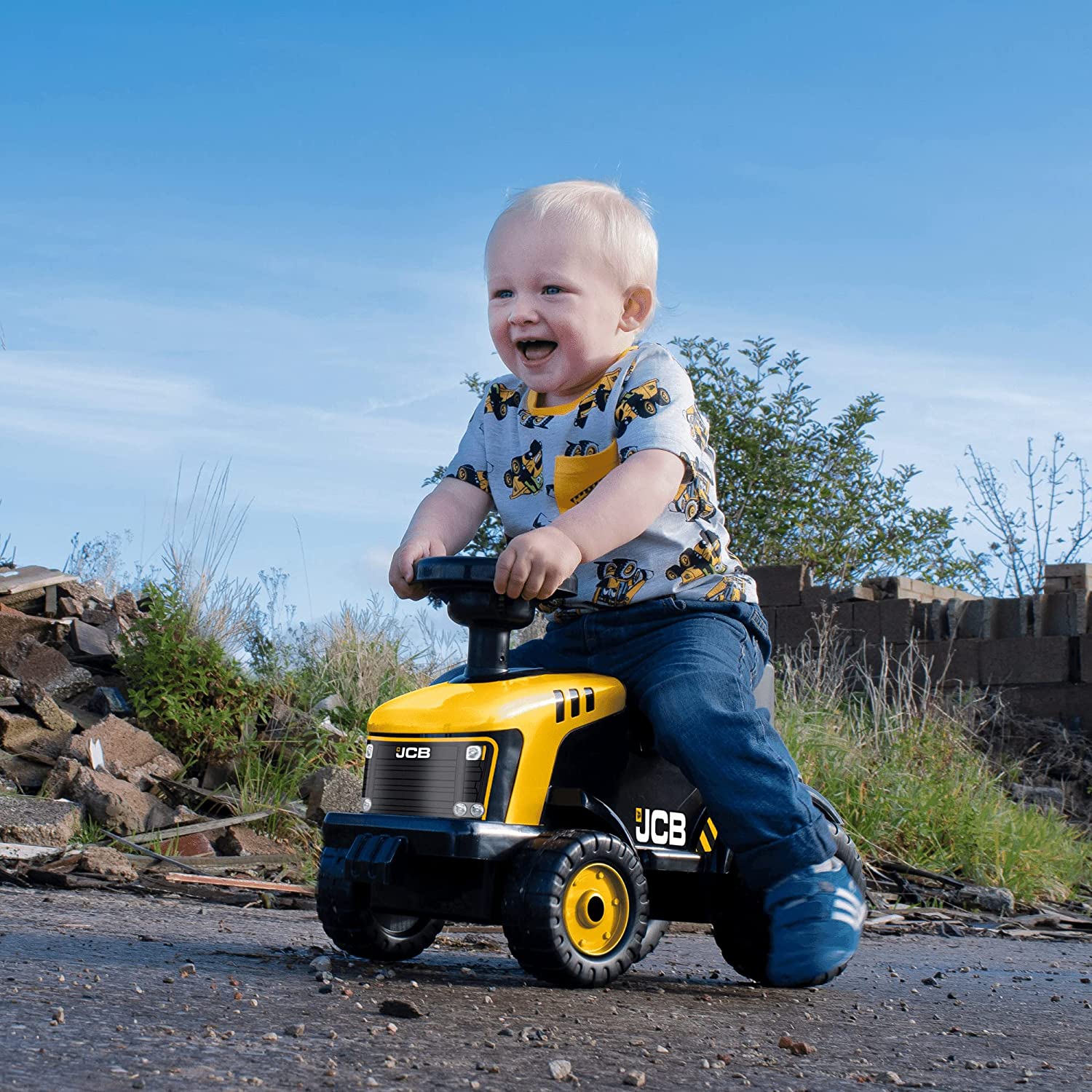
For children 18 months and older, manually operated ride-on toys like the Baby JCB Ride on Tractor or JCB Fastrac foot to floor ride on can be great options. These toys allow the child to use their legs to push themselves forward and develop their gross motor skills. They also offer the child a sense of independence and control as they move around. 

For children aged 3 to 5 years old, ride-on toys like the JCB Dumper Ride On can be a great option. These toys often come with pedals that the child can use to control their speed and direction. This helps to further develop their gross motor skills and hand-eye coordination. 

For older children, larger ride-on’s with added functional features such as rear excavator and front loaders are the most appropriate. The JCB Kids Tractor with Front Loader is a premium ride-on with a huge range of functional features that will allow children to feel like they are operating their own Backhoe Loader around the garden or yard!

Size and Weight 

The size and weight of the ride-on toy should also be considered when selecting a ride-on toy for your child. A ride-on toy that is too large or heavy can be difficult for your child to manoeuvre, potentially leading to safety hazards. It is important to check the manufacturer’s recommendations for the size and weight of the toy to ensure that it is appropriate for your child’s size and weight. 

Safety Considerations 

When selecting a ride-on toy, safety should always be a top priority. It is important to choose a toy that is sturdy and stable to prevent tipping over. Always ensure that your child wears appropriate safety gear such as a helmet, knee pads and elbow pads. It is also important to supervise your child while they are riding their toy to ensure their safety.

In conclusion, ride-on toys are a fun and engaging way for your child to develop their motor skills, coordination, and balance. When choosing a ride-on toy, it is important to consider your child’s age, size, and abilities.

Mother’s Day Crafts for Kids: Outdoor Edition

Mother’s Day is a special day to show your mum how much you love and appreciate her and our team here at JCB Explore has got you covered. A thoughtful and personal gift can go a long way in making her feel special. What better way to celebrate the day than by creating handmade gifts using materials that you can find in nature? In this article, we’ll explore some fun and creative Mother’s Day craft ideas that are easy to make using natural materials found outdoors.

Flower Crowns

Make your mum feel like a queen by creating a beautiful flower crown for her.

Pick some wildflowers and daisies from the garden or park and use florist wire and tape to create a crown.

Weave the stems together to create a beautiful flower wreath that your mum can wear.

Pebble Art

Get creative with pebble art and make a unique gift for your mum.

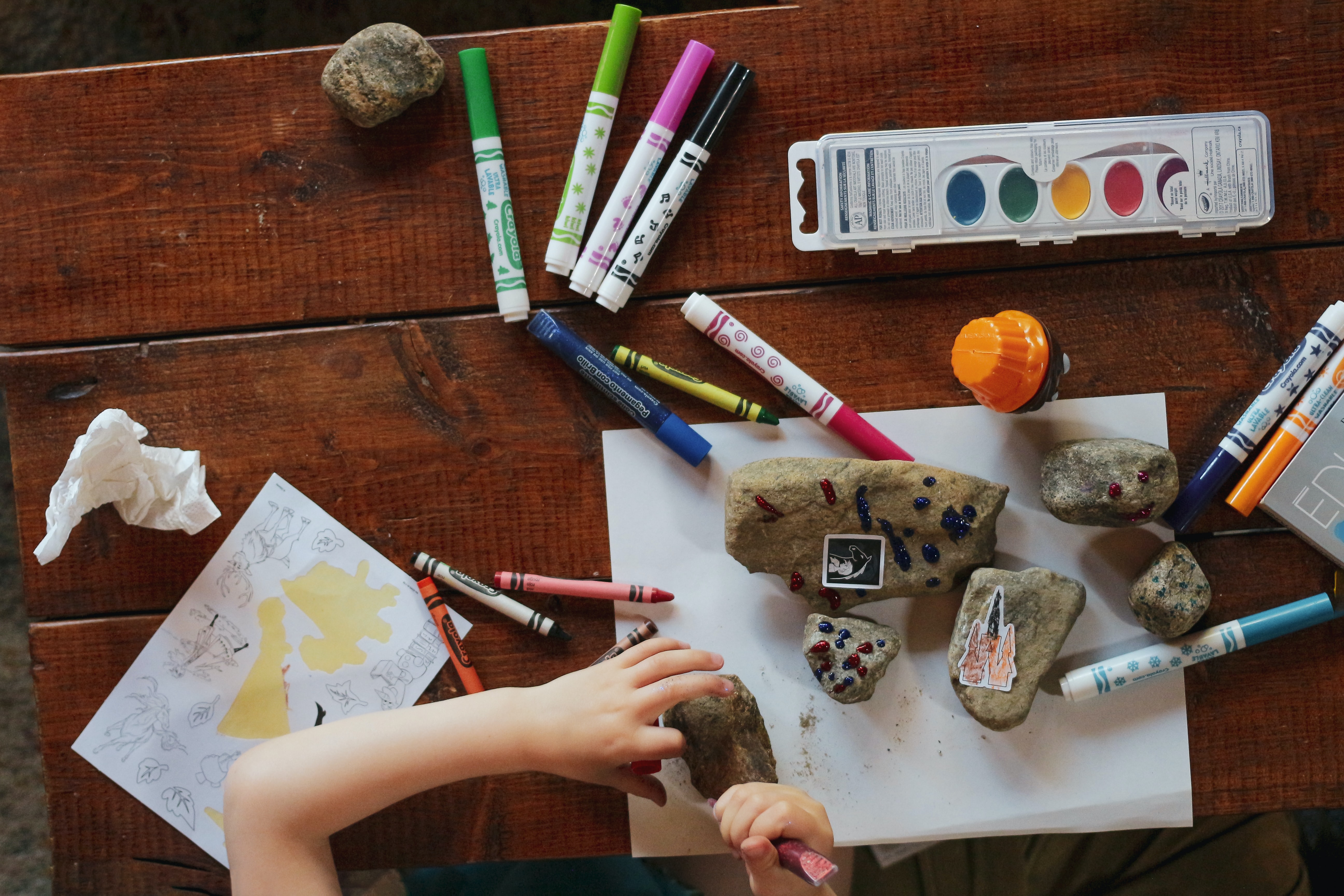
Collect some small pebbles from the beach or riverbed and use acrylic paints to create a design.

You can paint a heart or your mum’s initials, or create a picture that your mum will love.

Glue the pebbles onto a canvas or a piece of card and present it to your mum on Mother’s Day.

Herb Garden

Create a mini herb garden for your mum using recycled cans or jars.

Collect some small rocks or gravel and place them in the bottom of each can or jar for drainage. 

Then fill them with soil and plant herb seeds or seedlings.

You can paint and decorate the cans or jars for a personalised touch.

Flower Press

Create a flower press to preserve the beauty of flowers found outdoors.

Collect some cardboard, tissue paper, and string.

Cut the cardboard and tissue paper into squares, then layer them together.

Place some flowers on top of the tissue paper and add another layer of tissue paper and cardboard.

Stack several layers of the cardboard, tissue paper, and flowers, then tie them together with string. Leave the flower press outside in the sun for a few days to dry the flowers.

Leaf Rubbing Art

Collect some different shaped and sized leaves and place them under a piece of paper.

Use a crayon or pencil to rub over the paper, creating a unique leaf print.

Cut out the leaf prints and use them to create a collage or card for your mum.

Making handmade gifts is a wonderful way to show your mum how much you love and appreciate her on Mother’s Day. Using natural materials found outdoors can make these gifts unique and special. So go ahead and have fun creating these crafts and make it a memorable Mother’s Day.

Famous Construction Workers and Their Contributions to the Industry

The construction industry plays a critical role in building our world, from the homes we live in to the bridges and roads we drive on. In this article, we’ll explore the experiences and successes of famous British and international builders who have made remarkable contributions to the industry. 

By learning about these inspirational individuals, we hope to encourage and inspire the next generation of builders and construction workers to pursue their dreams and make a difference in the world. Whether you’re interested in design, engineering, project management, or any other aspect of construction, there’s a place for you in this exciting and rewarding industry. 

Isambard Kingdom Brunel 

Isambard Kingdom Brunel is a famous British engineer who played a pivotal role in the Industrial Revolution. Brunel was responsible for designing and building some of the most significant infrastructure projects of the time, including the Great Western Railway, the Clifton Suspension Bridge, and the SS Great Britain. His contributions to the construction industry helped to shape the modern world and made him one of the most celebrated engineers in history. 

Thomas Telford 

Thomas Telford was a Scottish civil engineer and architect who played a critical role in shaping the infrastructure of the United Kingdom. Telford was responsible for the design and construction of some of the most notable structures of his time, including the Menai Suspension Bridge, the Caledonian Canal and the Ellesmere Canal. His innovative designs and engineering solutions were pivotal in making the Industrial Revolution possible. 

Barbara Res 

Barbara Res was a pioneer in the construction industry in the United States and the first woman to be a project manager for a major construction company. Res worked on the construction of the Trump Tower in New York City and has since become an advocate for women in construction, encouraging more women to pursue careers in the field. 

Frank Gehry 

Frank Gehry is a Canadian-American architect known for his unique and innovative designs. Gehry has designed some of the most recognisable structures in the world, including the Guggenheim Museum in Bilbao, Spain, and the Walt Disney Concert Hall in Los Angeles. His work has had a significant impact on the construction industry and has inspired future generations of architects and designers. 

Richard Rogers

Richard Rogers is a British architect known for his groundbreaking designs that emphasise sustainability and environmental responsibility. He has designed many notable structures, including the Lloyd’s Building in London and the Pompidou Centre in Paris. His work has had a significant impact on the construction industry and has inspired future generations of architects and designers. 

The construction industry has produced some of the most innovative and successful individuals in history. By learning about their experiences and successes, children can be inspired to pursue careers in construction and parents can gain a greater understanding of the importance of this critical industry. These individuals have not only built some of the most iconic structures in the world but have also broken down barriers and encouraged diversity and inclusivity in the industry.

Constructive Play And Its Role In Promoting Gender Equality

Play is an essential part of childhood and promoting constructive play for all children can be a powerful way to break down gender stereotypes and promote gender equality. When children are encouraged to engage in activities such as building, creating and problem-solving, they learn important skills and attitudes that are essential for challenging traditional gender roles and creating a more inclusive and diverse society. 

Providing a Wide Range of Play Options 

One key way in which constructive play promotes gender equality is by breaking down stereotypes around what boys and girls “should” be interested in. 

When children are encouraged to engage in a wide range of play options, regardless of their gender, they learn that there is no such thing as “girl toys” or “boy toys”. 

Instead, they come to understand that all children can benefit from activities that involve building, creating and problem-solving. 

Promoting a More Inclusive and Diverse Play Environment 

Promoting a more inclusive and diverse play environment is also important for breaking down gender stereotypes. 

When children are exposed to a wide range of play options, they are more likely to see people of different genders and backgrounds engaging in these activities. This helps to challenge traditional notions of what is “appropriate” for boys or girls and can help to promote more inclusive attitudes. 

Developing Confidence and Self-Esteem 

In addition, constructive play can help children develop the confidence and self-esteem they need to challenge gender stereotypes and pursue their goals. 

When children are encouraged to take risks, express their creativity, and problem-solve, they learn to trust in their own abilities and to pursue their interests, regardless of whether these interests are traditionally associated with their gender. 

Creating a Level Playing Field 

Finally, promoting constructive play for all children can help to create a more equitable society by providing a level playing field for boys and girls. 

By providing a wide range of play options and encouraging all children to engage in these activities, we can help to ensure that all children have the opportunity to develop important skills and attitudes, regardless of their gender or any other characteristic.

In conclusion, promoting constructive play for all children is an essential tool for breaking down gender stereotypes and promoting gender equality. Here at JCB Explore, we are at the forefront of this effort, as we offer gender-neutral toys and playsets that promote building, creating, and problem-solving. JCB Explore’s emphasis on gender-neutral play options encourages children of all genders to engage in constructive play, which helps to break down traditional gender roles and promotes inclusivity and diversity. 

By providing a diverse and inclusive play environment and encouraging children to develop their skills and confidence, we can help to create a world in which all children have the opportunity to thrive and reach their full potential, regardless of their gender or any other characteristic.

The Great JCB Explore Bake-Off – How To Make A Digger Cake?

The Great British Bake-Off is a much-loved show that often inspires viewers to get baking themselves.

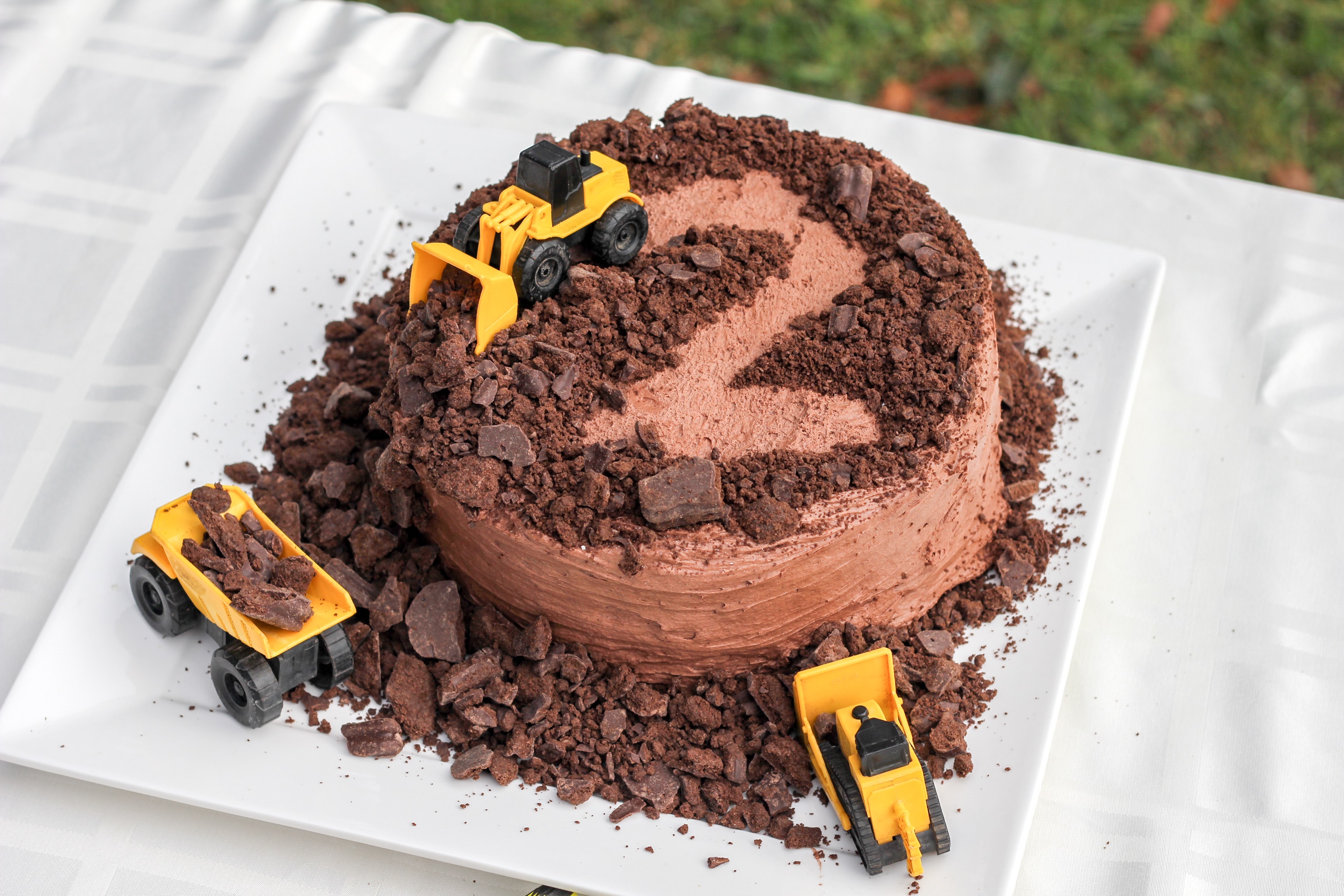
If you’re looking for a fun baking project to do with your kids, why not try making a digger cake? Digger cakes are both fun to make and decorate, and they’re sure to be a hit with any construction-loving child. Get inspired with our recipe and spend some quality time with your little ones bringing their favourite digger toy to life with JCB Explore!

Ingredients

You will need:

  • Two portions of sponge cake mix
  • Black and yellow food colouring
  • Ready made chocolate buttercream
  • Pack of chocolate fingers
  • Melted chocolate
  • Chocolate biscuits


Method

A digger cake is a fun and impressive-looking dessert that is perfect for construction-themed parties or any other special occasion.

When it comes to creating the perfect digger cake, there are a few key elements you’ll need to get right.

First, you’ll need to bake two batches of sponge cake – one mixed with yellow food colouring and one with black or chocolate.

Once the cake is cooled, cut each horizontally to create thin layers.

Carefully stack the yellow and black cake on top of each other, alternating colours to create a stripe effect. This will resemble the construction signage pattern and will be the star of the show once the cake is cut.

Decoration

Spread a layer of chocolate buttercream over the top and sides of the cake. Then stick chocolate fingers around the edge of your cake to create a fence effect.

In order to achieve the most genuine effect, it is important to cut down the chocolate fingers and sponge cake at the front of the cake so that it resembles an excavated site.

Once this is done, use a piping bag to pipe melted chocolate over the excavated area. Doing this will create a dripping effect that makes the cake look even more realistic.

You can also sprinkle some crushed chocolate biscuits around to create a rubble effect. 

Finally, allow the chocolate to set before serving the cake. This will ensure it looks its best when presented to family and friends.

Finishing touches

Now that your digger cake has been assembled and decorated, it’s time to add the finishing touch.

Place a small plastic digger toy (JCB Mini Moverz are perfect for this) on top of the cake and sprinkle some more biscuit crumbles over it.

Just remember to keep an eye on the little ones so they don’t try to take a bite out of the digger!

If you have a little builder in your life, then you know how important it is to encourage their creativity. Baking a digger cake together is a great way to do just that. Not only is this a fun activity, but it’s also a great way to bond with your child. And when they see the cake come to life, they’ll be over the moon. So what are you waiting for? Give our recipe a try today.

How To Throw The Ultimate Construction Themed Birthday Party

If your child is fascinated by construction equipment and sites, a construction-themed birthday party is the perfect way to celebrate their big day!

From decorating with construction equipment to playing games involving building and demolishing, there are plenty of ways to make the party fun and exciting. And of course, no construction party would be complete without a cake shaped like a digger or excavator.

With a little creativity, you can make sure that your child’s construction-themed birthday party is one they’ll never forget.

Decorate

To get started, decorate the party space with construction-themed props and banners. You can even set up a “construction site” in your garden.

This can be done by roping off an area and placing construction cones around it. You can then complete it with toy excavators, dump trucks, and other equipment.

Make sure you include your little builder’s favourite JCB toys!

Entertain 

A construction-themed party would not be complete without some fun and interactive activities. Here are a few ideas to get you started:

Excavate a hidden treasure

Bury small toys or trinkets in a sandpit or the  garden, and let the kids dig them out with their digger toys or small shovels.

Build a tower

Give each child a handful of blocks or Lego bricks, and see who can build the tallest structure. Prepare some reward for the winner to make it a little bit more competitive.

Design a machine

Using cardboard boxes, paper towel rolls, string, and other materials, challenge the children to build a simple machine that can perform a specific task (e.g. moving a ball from one point to another).

Get colouring

Use some of our printable activity sheets to involve children in colouring exercises. They can have lots of fun colouring the pictures and learning about the machines at the same time. So why not print out some of our sheets featuring JCB machines and let the kids enjoy themselves?

Make a construction-themed cake

No construction party would be complete without a cake shaped like a digger or excavator.

To make the cake, you will need two 8-inch round cake pans, cake mix, frosting, and construction themed decorations.

Start by baking the cake according to the package directions.

Once it is cooled, cut each cake in half horizontally so that you have four thin layers.

Spread a thin layer of frosting over each layer and stack them on top of each other.

Then, use the remaining frosting to cover the outside of the cake.

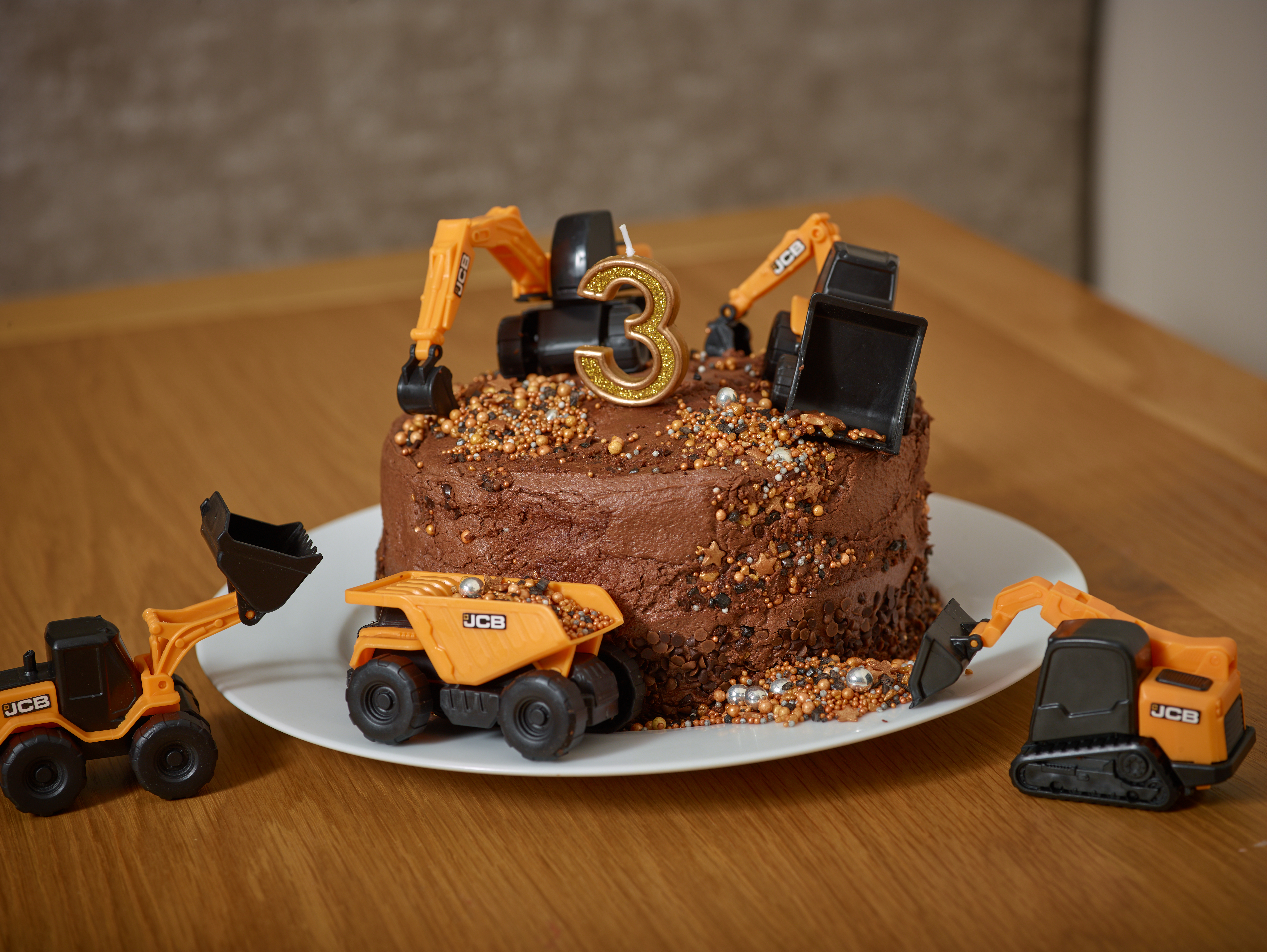
For decorations, you can use anything construction themed that you like. Small plastic toy vehicles or construction workers make great toppers, or you can use candy rocks and gravel for a more realistic look. Use your imagination and have fun with it. You can also bake our famous digger biscuits as extra snacks for the party!

Be sure to not allow the kids to eat anything plastic or inedible that you place on top of the cake.

When it comes to planning and organising a construction-themed birthday party for your little ones, the possibilities are endless! With a bit of imagination, you can transform any space into a construction zone and with our tips, you can provide hours of entertainment for all the guests. So get creative and make sure your construction-themed party is one to remember. 

How to Celebrate International Mud Day?

International Mud Day (29 June) is a great way to connect children from around the globe while celebrating nature and encouraging outdoor play. Spending time actively outside can provide hours of fun and help children learn about their environment.

If you are looking for ways to celebrate International Mud Day and get your community involved, see our ideas and get inspired to spend an exciting day out. Getting muddy is just an added bonus! 

Go on a hike

Get outside with the whole family and enjoy nature this International Mud Day! Go for a hike and explore the muddy trails. Be sure to wear appropriate clothing and shoes, and have fun getting dirty. Not only will you get some exercise, but you’ll also have the opportunity to appreciate the beauty of nature in your local area. Happy hiking!

Organise a muddy obstacle course

If you’re looking for a fun and muddy way to celebrate International Mud Day, why not organise your own muddy obstacle course? This is a great activity for kids of all ages, and it’s sure to be a lot of fun. Create obstacles that involve muddy water, muddy trails or mud pits. The dirtier the better!

Try painting with mud

If you’re looking for a fun and unique way to celebrate International Mud Day, we recommend giving painting with mud a try. This activity is perfect for all ages, and can be done indoors or outdoors. All you need is some mud, a whiteboard (or other surface), and your imagination! You can even let kids use the fence or the driveway to paint on.

Make mud pies

Although it is unclear how or where International Mud Day began, what is clear is that it offers a fun and easy way for kids to get outside and enjoy the benefits of mud. So this year, why not celebrate by joining in on the fun? Let your children make their own mud pies from the garden dirt, and see who can come up with the most creative recipe. Not only will they have a blast playing in the mud, but they’ll also be getting some exercise and learning about nature too.

International Mud Day is an event that celebrates nature and encourages outdoor play, which can help improve physical health and cognitive development. Get your friends and family together and try out one of the activities we’ve suggested, or come up with your own mud-filled adventures. Just be sure to take plenty of pictures (and maybe even videos) to share with everyone afterwards!

How To Make A Construction-Themed Sensory Bin?

What is a sensory bin?

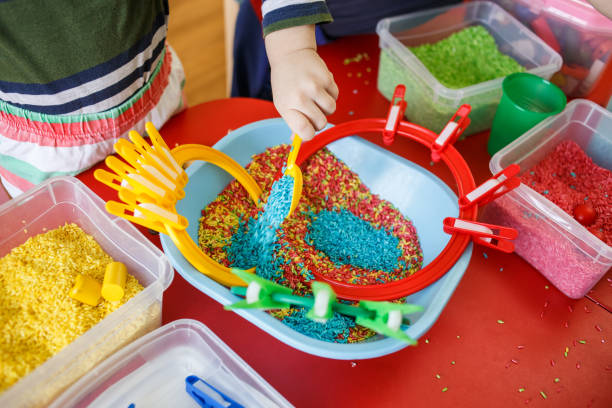
A sensory bin or sensory box is simply a container filled with objects. It can be anything from sand and shells to stones, pine cones and coloured buttons.

If you are looking for a fun, simple activity to do with your child, consider making a sensory bin. This is a great way to encourage exploration and creativity while providing an enjoyable learning experience for kids. 

It is a great learning tool. By providing different textures, colours, and sounds, you can help your child learn about their environment and the world around them. And if your little ones are obsessed with all things construction – you can even make a construction-themed sensory bin. They’re sure to love it!

How to make a construction-themed sensory bin?

 All you need is some simple supplies that you may already have on hand:

Fill your plastic bin ⅓ full with play sand and to make the whole thing more genuine, create a few holes and heaps so that it resembles an actual construction site. Add several stones and pebbles and use twigs to create trees. You can go a little bit more creative and build little tunnels, roads or even a quarry!

Once you’ve prepared the surface, add some small construction vehicles, including excavators, trucks, cranes and dump trucks.

Now that you’ve put together all the elements, your little builders can finally start digging, building, moving things around, exploring and enjoying various textures, sounds and materials. This will help to stimulate their mind, whilst supporting their creativity and sensory development.

To make your sensory bin safe for younger children, you can use edible items like black beans, rice, pasta shapes or nuts. Jelly beans, marshmallows and fruit will also work great.

Benefits of using sensory bins

Sensory bins and boxes are a great way to keep your child occupied, engaged, and learning. 

They provide hours of fun for children of all ages and can be tailored to fit any interest or theme. The different textures, colours, and sounds in each bin can promote development in various areas. If you’re looking for a new activity to keep your little one busy, consider giving a sensory bin a try.

JCB logo

Privacy Overview

This website uses cookies so that we can provide you with the best user experience possible. Cookie information is stored in your browser and performs functions such as recognising you when you return to our website and helping our team to understand which sections of the website you find most interesting and useful.

Close popup